
"I keep seeing properties listed in both Kenmore and Kenmore Hills. Are they the same thing?"
We get this question a lot, and it's a fair one. Same postcode, similar name, and half the property portals don't even distinguish between the two. But they are different suburbs, and if you're comparing prices or trying to figure out school catchments, it's worth knowing what sets each apart.
Same Postcode, Different Suburb
The shared postcode is the main point of confusion. Both Kenmore and Kenmore Hills fall under 4069, which is why they show up interchangeably on some property portals and in Australia Post records. But they are two distinct suburbs with separate boundaries, different population sizes and noticeably different characters.
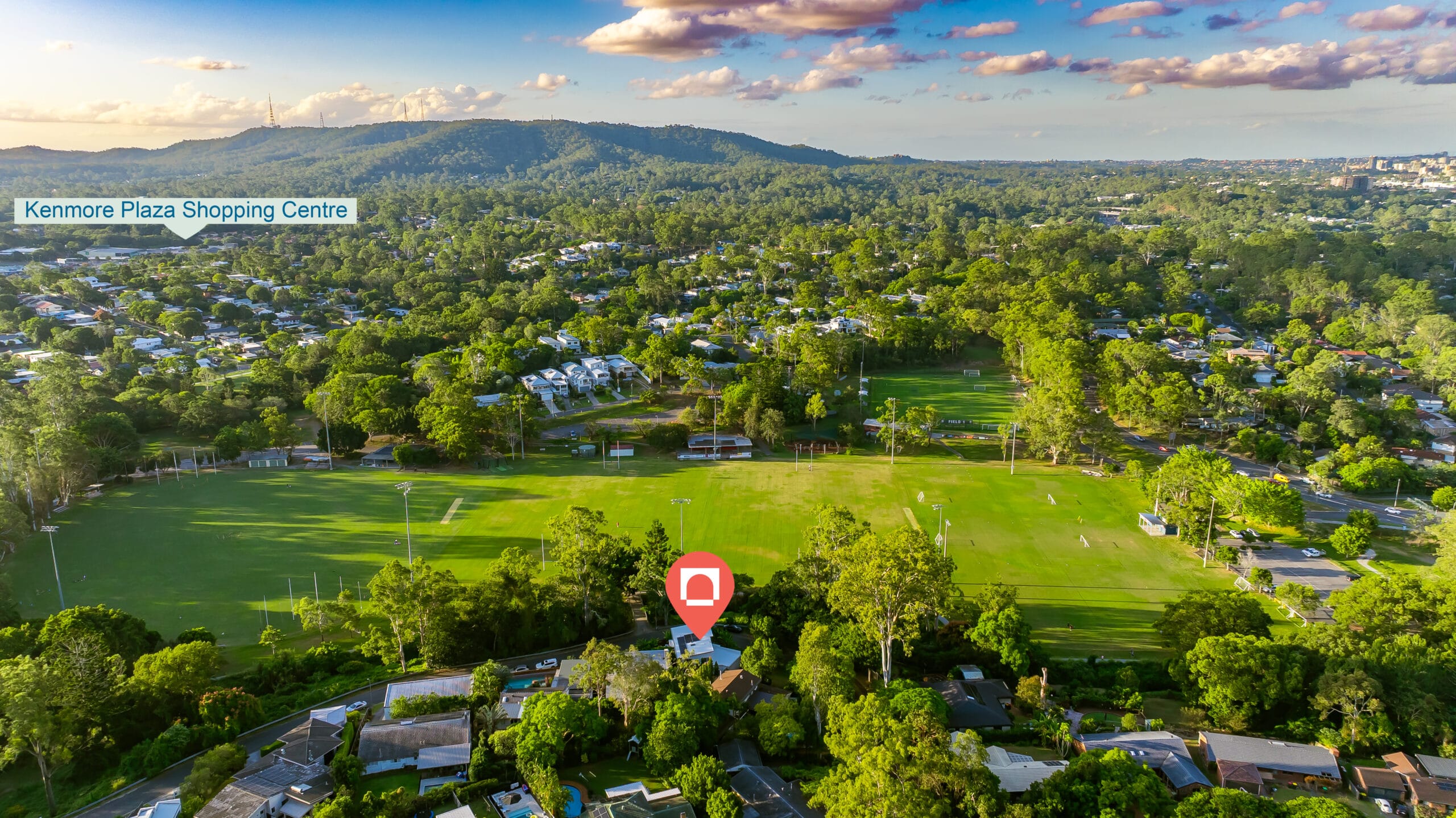
Kenmore is the larger of the two, covering roughly 5.8 square kilometres and is home to around 9,675 residents. It sits directly on the Brisbane River and has a well-established suburban layout with local shopping centres, schools, parks, public transport along main arterial roads and direct access to Moggill Road.
Kenmore Hills is smaller at approximately 4.7 square kilometres, and home to just 2,448 residents. It was originally part of Brookfield and Kenmore before being gazetted as its own suburb in 1969, named after its neighbouring suburb. The northern part of the suburb sits on the foothills of Mount Coot-tha. Both suburbs are roughly 13 kilometres by road from the Brisbane CBD, but the two feel nothing alike once you're on the ground.
One Feels Like Suburban Living. The Other Feels Like an Escape.
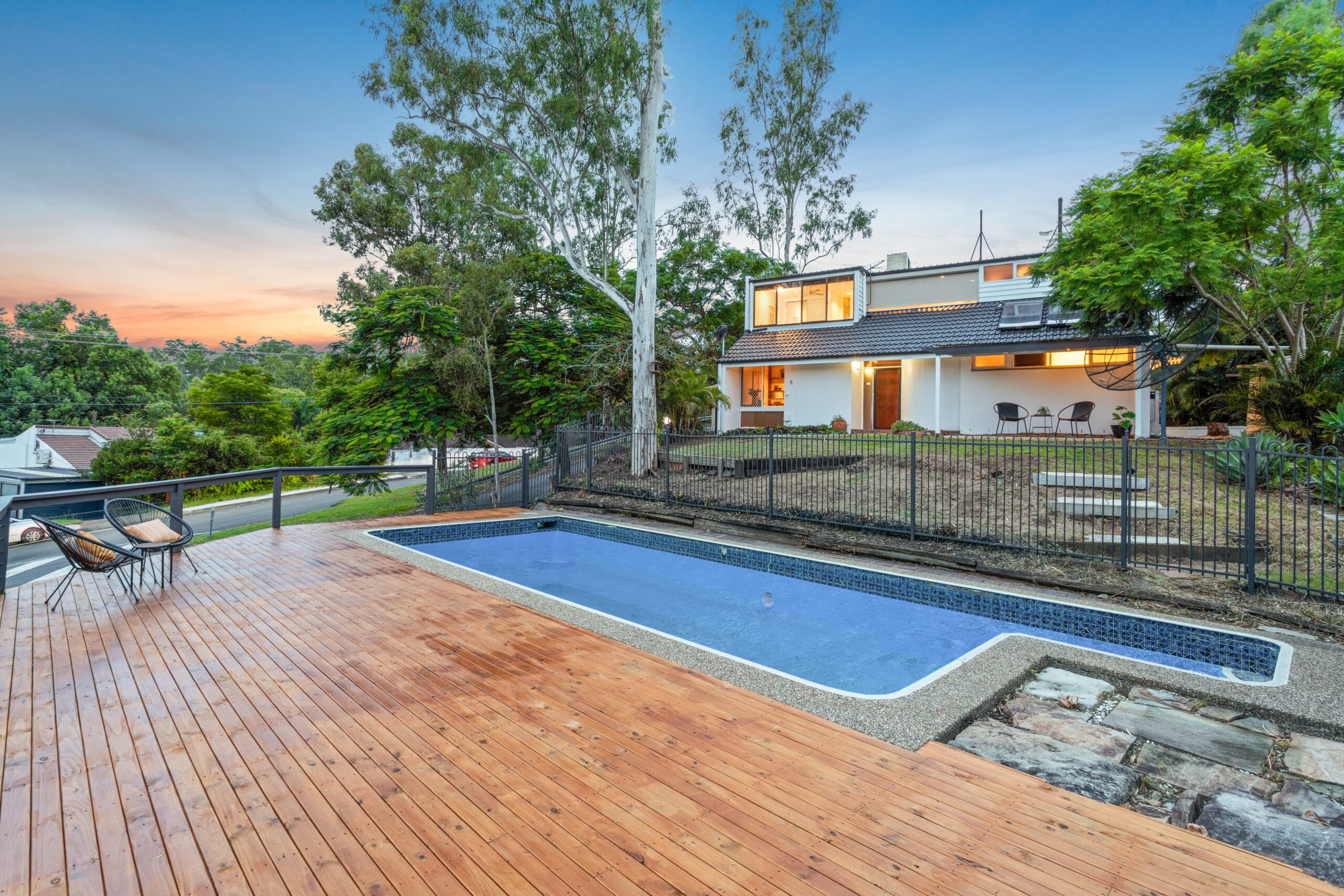
Kenmore is a well-connected, family-friendly suburb with a strong community spirit. Rolling hills, tree-lined streets, spacious homes built across the 1960s to 1980s in classic brick-and-tile style, and plenty of urban conveniences within a few minutes' drive. Kenmore Village and Kenmore Plaza give residents access to local shopping centres, cafes, services and dining without heading towards the city. Akuna Oval anchors the sporting community. Bus routes run to the CBD along main arterial roads, and the Centenary Highway and Legacy Way tunnel keep commute times manageable even during peak hours.
Kenmore Hills is a different proposition. Larger blocks, denser native vegetation, with Gap Creek and Moggill Creek running along the suburb's western and southern edges, and a feel that sits closer to Brookfield than anything you'd call suburban. It's predominantly zoned for environmental management and rural residential use, which keeps density low and the bushland setting intact. Residents often describe it as a compromise between acreage and suburbia. A peaceful suburb with more private blocks where you trade proximity to amenities for space, privacy and quiet. A trade that most locals in Kenmore Hills are happy to make.
Both suburbs are green, safe and have owner-occupier rates above 80 per cent. Both offer a family-friendly atmosphere and a comfortable lifestyle that appeals to young families, professionals and retirees. But the day-to-day experience of living in each is different.
Schools, Shops and the Practicalities
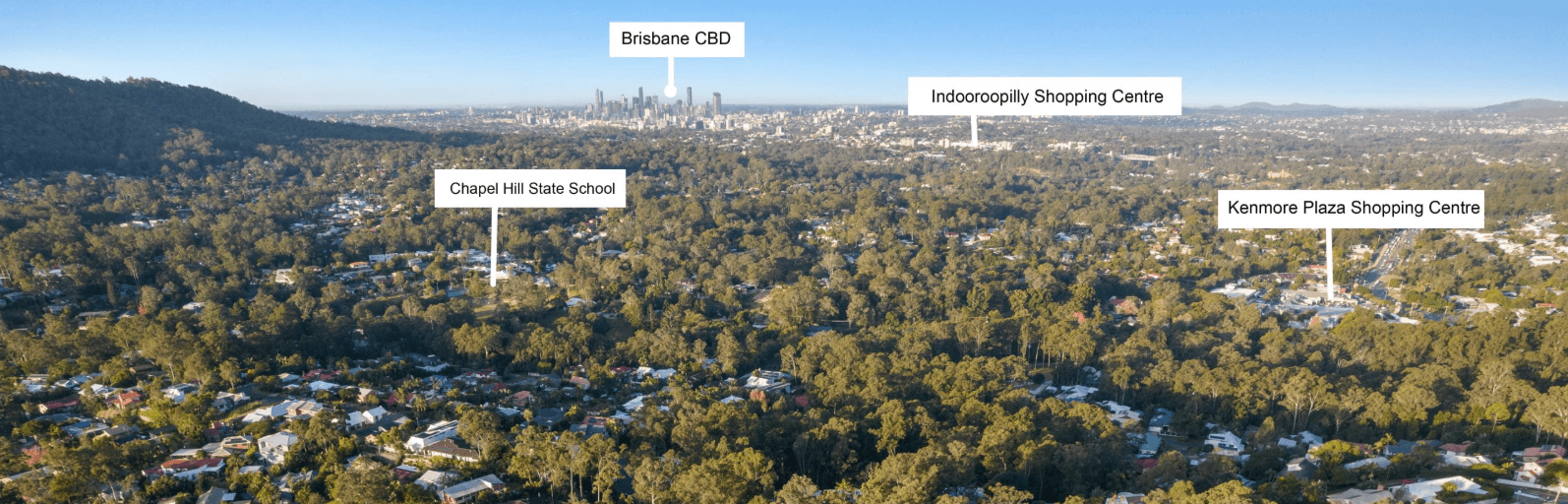
Something that catches many buyers off guard: Kenmore Hills has no schools and no dedicated shopping strip. It's primarily residential with very limited commercial activity.
Families in Kenmore Hills draw on the neighbouring suburb's infrastructure. That means Kenmore State School and Kenmore State High School to the south, Chapel Hill State School to the east, or Brookfield State School to the west. All are quality schools with strong ICSEA ratings. The University of Queensland is also conveniently close for families thinking long term.
Kenmore, by contrast, has multiple schools within its own boundaries, including Kenmore State School, Kenmore South State School, Kenmore State High School and Our Lady of the Rosary Catholic Primary. For families who want children walking or cycling to school, that's a meaningful difference.

For shopping, healthcare, the Kenmore library and community services, Kenmore Hills residents use the same local amenities on Moggill Road. It's a five to ten-minute drive. Not inconvenient, but it does mean you're relying more heavily on four wheels. Kenmore Hills has limited public transport options compared to Kenmore, which offers better access along main arterial roads.
Ultimately, Kenmore Hills residents tap into the same amenity catchment; they just need to drive to it.
What the Price Data Actually Shows
| Metric | Kenmore | Kenmore Hills |
| Median house price | $1.442 million | $1.603 million |
| Annual growth | 11.8% | 11.3% |
| Houses sold (past 12 months) | 156 | 26 |
| Median days on market | 24 days | 25 days |
| House rental yield | 3.2% | 3.1% |
Kenmore Hills carries a median price premium of roughly $160,500 over Kenmore, despite offering fewer services within the suburb itself. The market is pricing in what buyers tend to value most: larger blocks, greater privacy, and more limited supply.
Kenmore generally offers stronger turnover and better liquidity, while Kenmore Hills is much more tightly held. Neither suburb is an obvious yield play. Both are more closely aligned with long-term capital growth.
Is Kenmore Hills a rich suburb? Its higher median house price and buyer profile suggest it is one of the more desirable suburbs in Brisbane’s western suburbs. But its appeal is driven less by prestige alone and more by scarcity, block size and privacy.
Choosing Which Suburb Is Right for You
Kenmore makes sense if you want more property options and price points, prefer easy access to schools and shops without needing a car for every errand, or value suburb liquidity when it comes time to sell. It's a desirable suburb that balances a leafy suburban feel with genuine urban conveniences. An attractive option for families who want everything within reach.
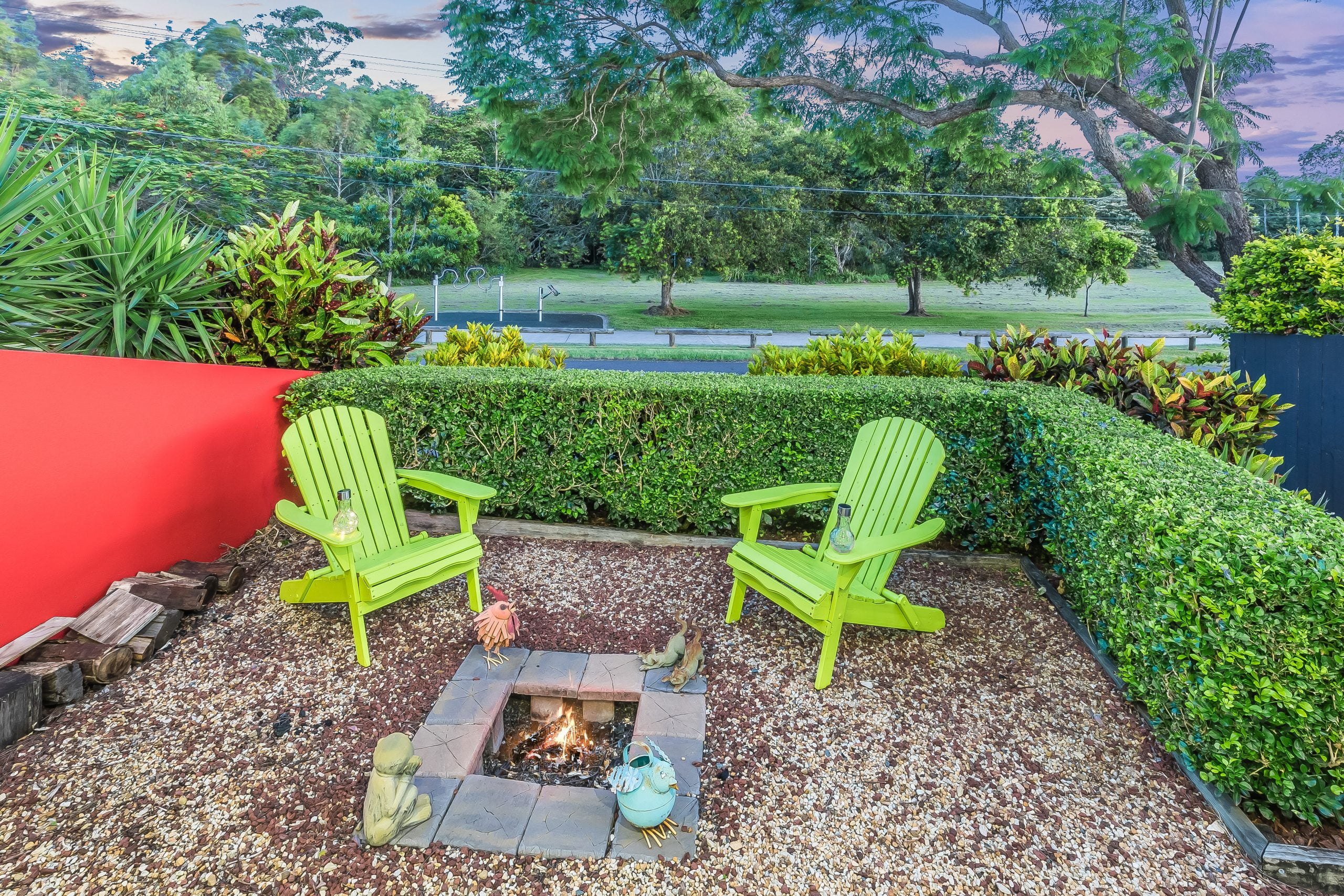
Kenmore Hills makes sense if you prioritise block size, privacy and green surrounds over proximity to amenities. If you can tolerate lower stock availability and are prepared to wait for the right property. If you're moving from Brookfield, Pullenvale or a similar semi-rural setting and want a softer landing closer to the city without losing that sense of space. It's a desirable place for buyers who know exactly what they're after.
Many buyers smartly shortlist both suburbs at the same time. The overlap in amenity access and school catchments means the real decision comes down to lifestyle preference and what's available when you're looking.
So, Is There Actually a Difference?
Yes. But it's more about character, supply and land than amenity access. Both suburbs sit in one of Brisbane's most tightly held western corridors, surrounded by Fig Tree Pocket, Chapel Hill and Brookfield. Both offer a family-friendly environment, proximity to parks, easy access to the river and a strong sense of community that keeps families here for decades.
Kenmore gives you convenience and choice. Kenmore Hills gives you space and quiet.
If you're weighing up your options in the western suburbs, the local Penrose team can help you cut through the noise, from the perspective of a team that lives and works here. Request a free suburb report or get in touch for a property appraisal.