
Buying an investment property comes down to more than the address and the price; you need to make sure there’s genuine rental demand and that tenants looking to rent in the area will find the property appealing. Ideally, your investment purchase price should be backed by recent sales, produce rental income that holds up once you account for real costs, and be in a location that will continue to attract demand over time. Additionally, QLD has strict minimum housing standards, and the property must meet them.
If you’ve made that call, and now need to judge the listing in front of you- whether the market, the street and the property stack up, and whether the numbers work once you own it- here’s what to look at next.
This is general information, not personal financial, tax or legal advice. It doesn’t take your personal objectives, financial situation or own circumstances into account. Get appropriate professional advice, including professional tax advice, before you commit.
What Makes a Good Investment Property?
What ultimately matters is whether people actually want to rent your property, whether it makes sense for your portfolio, if the asking price makes sense for the area, and whether the rent leaves enough room for the costs that come with owning it. A property can look great at an open home and still be a poor investment.
The layout and condition matter too, especially if either could make the property harder to rent or expensive to maintain. What works for one investor won’t necessarily suit another, so keep your own goals in mind when weighing it up.
Three things decide whether a property is right for renting: the market, the street, and the property itself; then let the numbers decide whether you can afford to hold it.
| Area to assess | Key question |
| Investor strategy | What must this property achieve? |
| Suburb | Is demand supported by jobs, transport and amenities? |
| Street | Is this one of the suburb’s more desirable pockets? |
| Property | Will the ideal tenant want to live here? |
| Numbers | Can you comfortably hold it through a downturn? |
| Due diligence | Any hidden physical, legal or environmental risks? |
| Exit | Who is likely to buy it from you later? |
Start With Your Investment Strategy
Define Your Investment Goals
Before you start comparing properties, be clear on what you want the investment to do. If steady rental income matters most, look closely at achievable rent, vacancy and how much of the ongoing costs that income will cover. For longer-term growth, you may be comfortable with a lower yield and instead focus on established suburbs with a strong owner-occupier base. Your budget, goals and appetite for risk should guide the search before a particular property catches your attention.
Understand Gearing and Tax
The rent won’t always cover every cost of owning an investment property. Before buying, factor in your ongoing expenses and consider how comfortably you could cover any gap between the rental income and the cost of holding the property. Tax outcomes will depend on your circumstances, so have an accountant look at the numbers and explain what they mean for you.
Financing Your Investment Property Purchase
Deposit, Borrowing Power and Interest Rates
Most lenders require a deposit of around 20% for an investment property, with lenders’ mortgage insurance typically applying below that. Borrowing power depends on your income, expenses and debts, and every lender applies its own credit criteria. Build in a buffer for mortgage repayments in case interest rates rise. Some buyers may also use equity from an existing property as part of their financing strategy.
Upfront Costs
The purchase price isn’t the only amount you’ll need to have ready. In Queensland, transfer duty can add a sizeable upfront cost, along with conveyancing, finance fees and building and pest inspections. Investment properties generally don’t receive the same duty concessions available to eligible owner-occupiers, so use the QRO estimator for a current figure.
Assess the Brisbane Location and Tenant Market
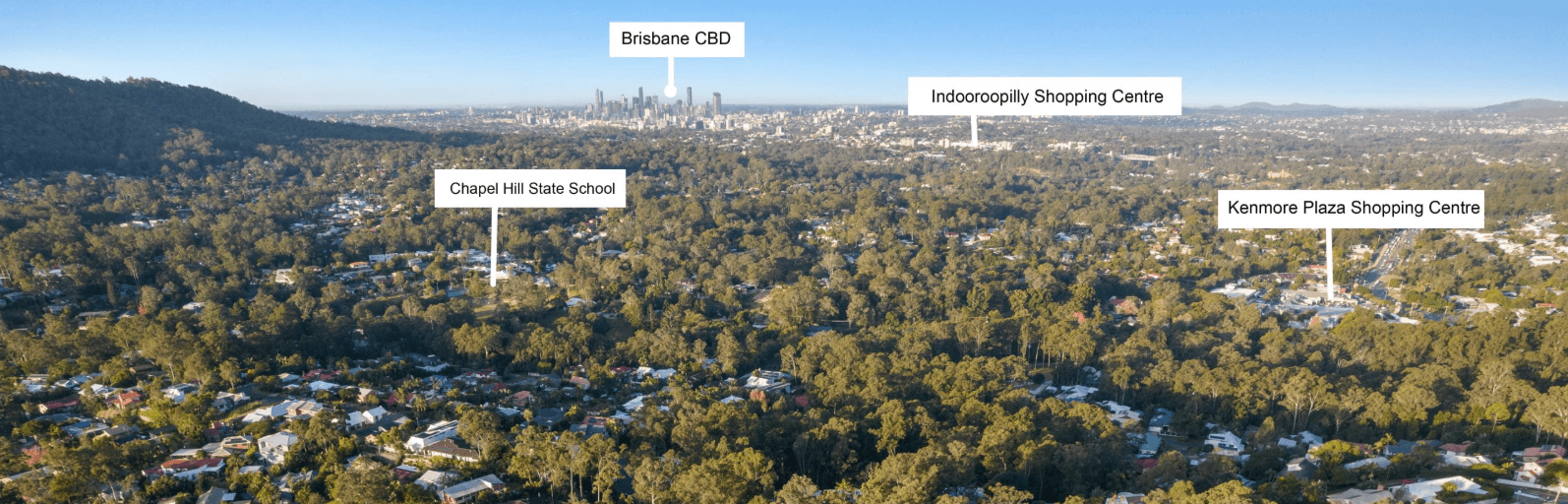
Population Growth and Employment Access
Target suburbs with strong population growth and good access to employment centres, since jobs and people create rental demand. Families want something different to students, and professionals want something different again, so design the search around that tenant, not your own taste.
Vacancy Rates and Street-Level Differences
A low vacancy rate is one of the clearest signs of strong rental demand. Proximity to public transport, schools and shopping increases a property’s appeal, but check usable access rather than distance on a map.
Suburb data can hide a bad street. Two streets in the same suburb can rent for different amounts and attract different potential tenants, so compare noise, parking, condition and flood exposure street by street. New apartment blocks or commercial development nearby can add rental competition, while genuine future development can support long-term property increases.
Evaluate the Property Through a Tenant’s Eyes
Try to picture what living in the property would actually be like. A family looking at the property may not care about the splashback tile colour, but they will consider storage availability and bedroom size. A practical layout, decent storage and good natural light will often matter more to tenants than expensive finishes. Parking, air conditioning or a usable outdoor area can also help, but their value depends on the type of property and the renters you’re trying to attract. The aim is to choose features people will genuinely use and be willing to pay for.
Check the Property’s Condition and Future Maintenance
Look at the expensive parts before the cosmetic ones: roof, foundations, drainage, retaining walls, plumbing, wiring, hot water system, termites. A fresh coat of paint can hide a lot, and professional inspections can reveal hidden issues an open home won’t.
Older Homes vs New Builds
An older home in an established Brisbane suburb may have plenty going for it, but repairs and ongoing upkeep can quickly add to the holding costs. A newer build may mean fewer maintenance jobs in the early years and could offer depreciation benefits. Look at the actual property, its location and likely expenses rather than choosing based on age alone.
With a newer build, it’s also worth looking into the builder or developer behind the property. Check for any history of warranty claims, building defects or recurring issues such as water leaks. Problems like these can lead to unexpected costs and may also inconvenience tenants, particularly in newer apartment complexes where defects can affect more than one property.
Brisbane has its own quirks worth understanding rather than steering clear of. Older Queenslanders often need proper subfloor ventilation, sloping blocks bring retaining walls into the picture, and character overlays can limit what you’re allowed to change later.
Run the Numbers Using Realistic Assumptions
Gross and Net Rental Yield
Gross rental yield is annual rent divided by property value, times 100. A property advertised at $650 a week, or $33,800 a year, on an $800,000 purchase price returns about 4.2%. A $750,000 property renting for $39,000 a year returns 5.2%. In Brisbane, a yield above 4% is on the stronger side.
Net rental yield is a far better measure of your real return. Add up mortgage repayments, council rates, insurance, property management fees, body corporate fees, maintenance, land tax if it applies, and vacancy periods, then subtract that total from your annual rent.
Capital Growth and Brisbane’s Outlook
Capital growth is the increase in a property’s value over time. Median sale price trends and five to ten years of historical data give a more reliable read on capital growth potential than one good year. As of early 2026, KPMG forecast Brisbane house prices to rise 10.9% for the year, though forecasts vary and should be checked against more recent data.
Stress-Test the Numbers
Don’t base the purchase on the best-case scenario. Work out whether you could still comfortably hold the property if it sat vacant for a few weeks, the rent came in below your estimate, or an unexpected repair landed at the wrong time. If a fairly ordinary setback puts the investment under pressure, the numbers may be too tight.
Complete Brisbane-Specific Property Due Diligence
Flood risk comes first for Brisbane locals. Brisbane City Council’s Flood Awareness Map and a FloodWise Property Report will show whether the address has river, creek or overland-flow exposure. A mapped risk doesn’t rule a property out, but it must show up in the price and the insurance quote.
Check Brisbane City Plan Online for zoning and overlays, and Development.i application tracker for nearby applications that could add rental stock to the market. A title search through Titles Queensland will show up easements or unapproved structures.
Queensland’s minimum housing standards require rental properties to be secure, weatherproof and in good repair for the life of the tenancy. Smoke alarms are covered separately under fire safety law, and the Residential Tenancies Authority has guidance on both.
What to Check When Buying a Unit or Townhouse
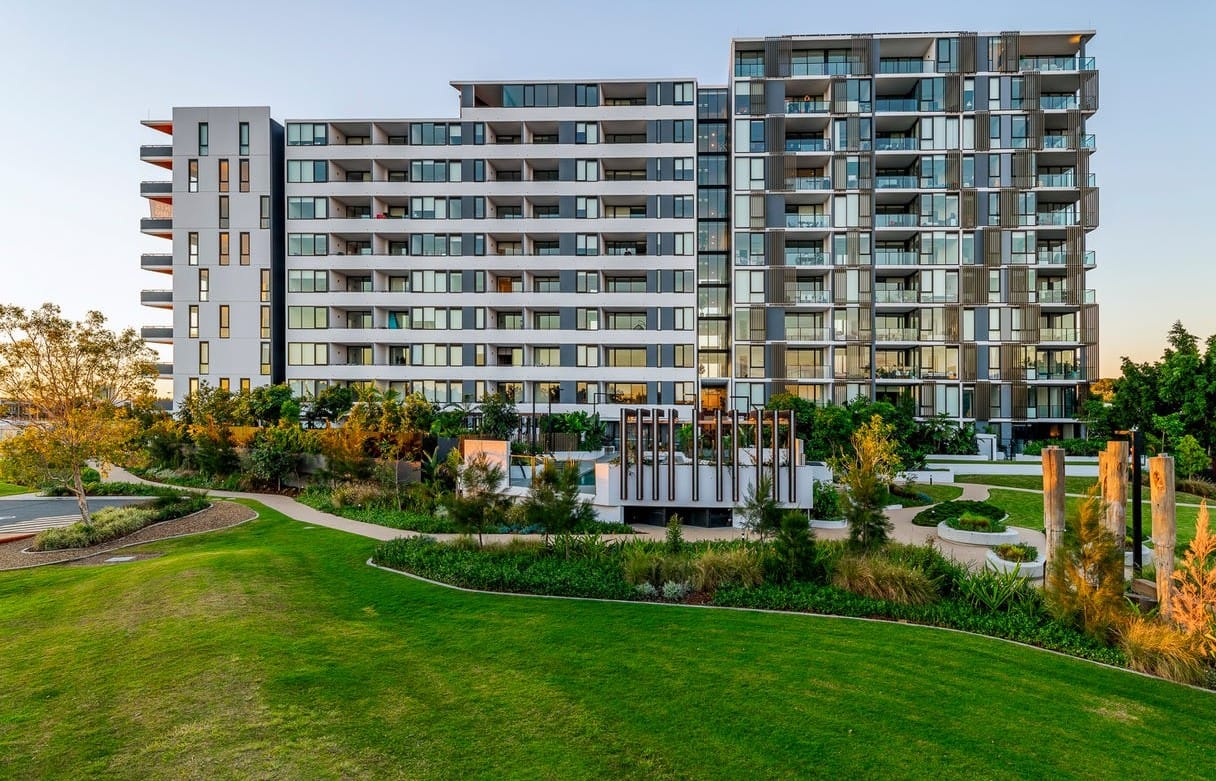
With a unit or townhouse, you’re buying into the building as well as the property itself. Take a close look at the body corporate records to see how the sinking fund is tracking, whether major work is coming up and if any special levies have been discussed. Facilities such as pools and lifts can be appealing, but they also add to ongoing fees. It’s also worth checking how many similar properties are available for rent nearby, as that can affect how easily yours finds a tenant.
It’s also worth requesting a couple of years of body corporate meeting minutes. These can help uncover recurring maintenance problems, neighbour or resident disputes, proposed major works, building defects and other issues that may not be obvious from the current financial records.
Investment Property Red Flags
- Advertised yield based on rent nobody’s really paying
- Price well above recent comparable sales
- Unapproved building work or overdue maintenance
- An underfunded sinking fund, or a special levy on the way
Before You Make an Offer
By the time you’re ready to make an offer, you should have a clear idea of what the property is worth and what it could realistically rent for. Look at recent sales and leased properties nearby rather than relying only on the figures provided with the listing. It’s also worth having the property, contract, and financial side reviewed by the right professionals, then coming back to the criteria you set at the start and asking whether the property still stacks up.
At Penrose Real Estate, we offer a complimentary Pre-Purchase Investment Review for landlords and investors considering a property. This includes a free rental appraisal and local guidance on the property’s rental potential, helping you better understand how it may perform as an investment before you commit to the purchase.
Not Sure Whether a Property Makes the Investment Cut?
If you’ve been looking at properties and are starting to think the ones you’ve found don’t quite meet your investment checklist, it may be worth continuing your search. You can browse Penrose Real Estate’s current properties for sale to see what else is available.
Online listings can give you a median price and an advertised yield. What they won’t tell you is whether one street performs better than the next, what tenants in the area are actually looking for, or whether a particular property is likely to hold its rental appeal. That takes local knowledge that only an experienced agent can offer.
Need help? Get in touch with the Penrose Real Estate team, and we can help you navigate the Brisbane property investment market and find an opportunity that better fits what you’re looking for.
Frequently Asked Questions
What should you look out for when buying an investment property?
Tenant demand, a price backed by comparable sales, realistic rental income, manageable costs, sound condition, and Brisbane-specific risks like flood exposure and planning overlays.
Is rental yield or capital growth more important?
Neither wins by default. It comes down to your strategy and how long you plan to hold the property.
How do you calculate rental yield?
Divide the annual rent by the purchase price, then multiply by 100. That’s gross rental yield, a starting point, since rates, insurance and vacancy periods will eat into it.
Is a house, townhouse or unit better for investment in Brisbane?
Houses generally fetch higher rents and offer better price growth, but need more maintenance. Units often carry a slightly higher yield and need less upkeep, offset by body corporate fees.
What is the 80/20 rule, and do the 2% or 7% rules apply here?
The 80/20 rule (the Pareto principle) suggests a small share of your property decisions drives most of your returns. The 2% and 7% rules are US rent-to-price benchmarks that Australian yields rarely reach, so they’re not useful here.